Silicon-Carbon Batteries & Silicon-Carbide Power Electronics: The Next Leap in Storage
Battery Innovation 2026
Two “silicon” breakthroughs are making batteries denser, faster-charging and more efficient.
Silicon-Carbon Batteries & Silicon-Carbide Power Electronics: The Next Leap in Storage
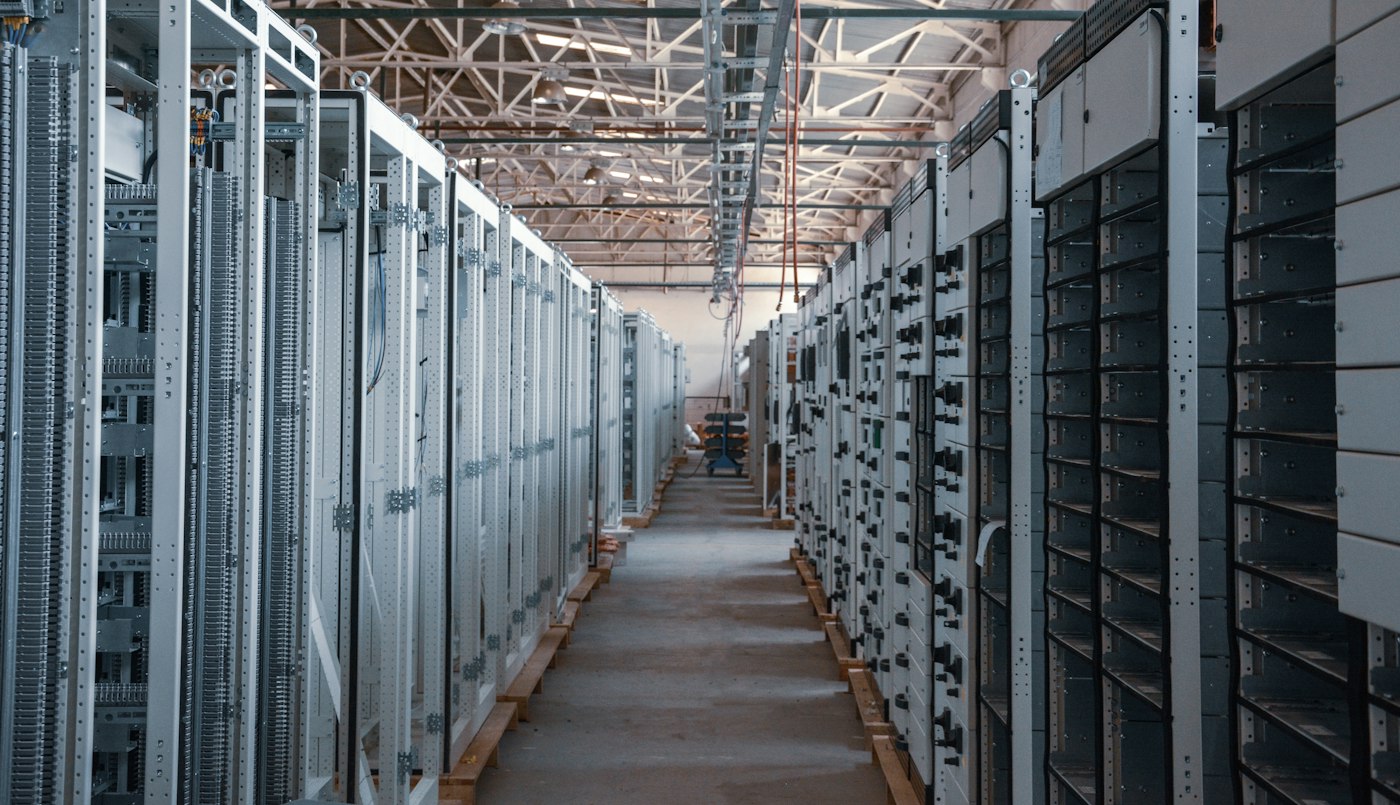
“Silicon” is showing up in two very different parts of the energy-storage story. Inside the cell, silicon-carbon (Si-C) anodes are replacing part of the graphite to hold more energy. Around the cell, silicon-carbide (SiC) power semiconductors are making the inverters and power-conversion systems that connect batteries to solar and the grid far more efficient.
1. Silicon-carbon anodes: more energy in the same box
Silicon can hold roughly ten times more lithium than graphite by weight, but it swells as it charges, which historically cracked cells. New silicon-carbon composites lock nano-silicon inside a porous carbon scaffold so it can expand without breaking. Manufacturers are now producing these materials at industrial scale, and 2026 is widely described as the first year of large-scale deployment of silicon batteries in EVs, alongside fast-charging phones and devices.
- Higher energy density — smaller, lighter packs for the same range
- Extreme fast-charging capability for EVs
- Strong interest from data centres needing near-instant power response
2. Silicon-carbide (SiC) power electronics: less energy lost
Every kWh that moves between a solar array, a battery and your load passes through power electronics. SiC MOSFETs switch faster and run at higher voltages and temperatures than traditional silicon IGBTs. The result is inverters and battery PCS units with lower conversion losses, smaller magnetics and less cooling — increasingly used in modern string inverters, EV chargers and utility-scale BESS converters.
What it means for solar + storage buyers in India
India’s storage market is exploding — about 8.2 GWh of battery storage was added in the first half of 2026 alone, versus under 0.1 GWh a year earlier. For stationary storage, LFP (lithium iron phosphate) remains the proven, safe and long-life chemistry, and it is what IG Solar deploys today through partners such as EnerCube, Axiom and Replus for MWh-scale systems and Amara Raja, Loom Solar, Livguard, Luminous and Tata Power for homes.
Silicon-carbon cells will first make the biggest difference in EVs and electronics, while SiC-based inverters and PCS are already improving round-trip efficiency in solar + BESS projects. IG Solar tracks these technologies so that every system we design uses proven equipment today and is ready for the next generation tomorrow.
- Silicon-carbon anodes store far more lithium than graphite — higher energy density, faster charging
- 2026 is seeing the first large-scale use of silicon batteries in EVs and devices
- SiC semiconductors make inverters and PCS more efficient, cooler and compact
- For stationary BESS today, LFP remains the workhorse — but these technologies are raising the bar
Share your electricity bill and site details — we will tell you what solar can realistically do for you.
Get in touch