Build Anywhere in Haryana, Use It at Your Factory: 2 MWp Captive Solar via Open Access
Captive Solar via Open Access
Put the plant where land is cheap — use the power where your factory is.
Build Anywhere in Haryana, Use It at Your Factory: 2 MWp Captive Solar via Open Access
The client situation
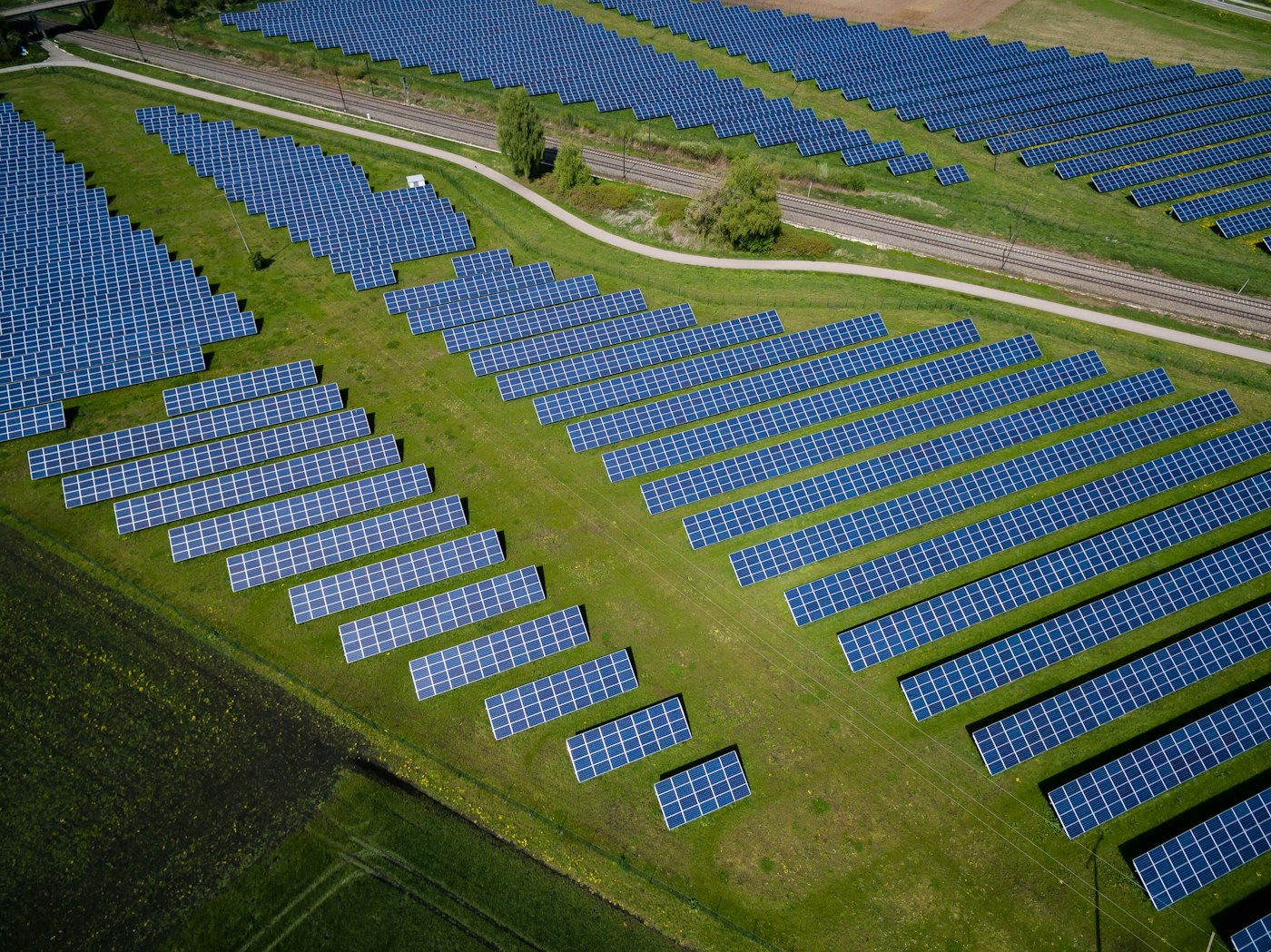
A mid-sized auto-component manufacturer in Gurugram runs two shifts on an HT connection. Its roof can take only about 300 kWp, far below its annual consumption of over 4 million units. Land near the factory is expensive. The question: can it own a large solar plant somewhere else in Haryana and use that power at the factory?
The solution: captive solar through open access
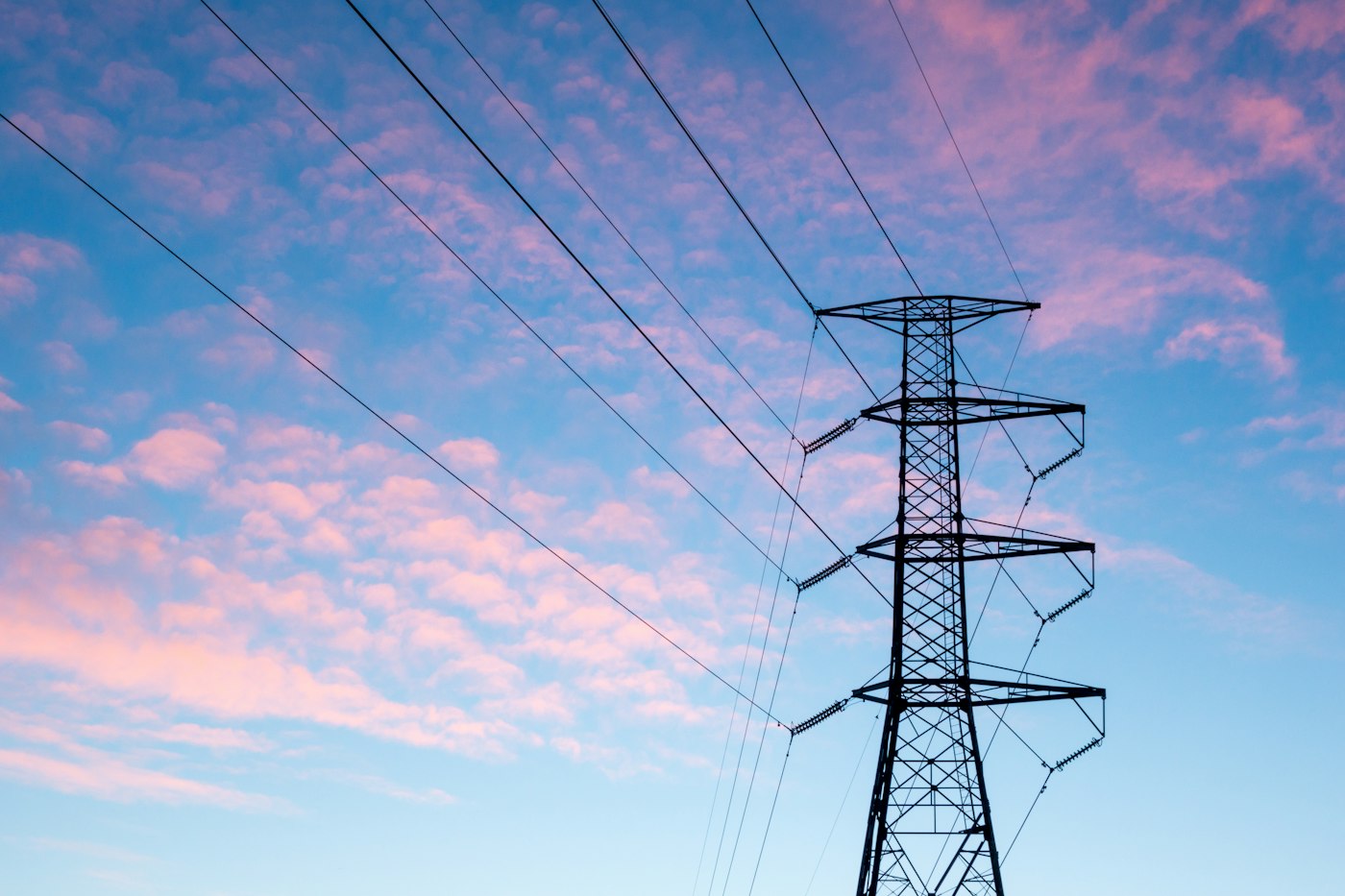
Under Haryana Green Energy Open Access regulations, consumers with a contracted load of 100 kW and above can source green power through open access. The company sets up a 2 MWp ground-mounted plant on leased land in south Haryana, connects it to the nearest DISCOM/HVPNL substation, and the energy is wheeled through the state grid and adjusted against the factory’s consumption every billing cycle.
How the money flows
- The company invests the CAPEX and owns the plant (captive)
- It pays wheeling, transmission and other HERC-approved charges per unit wheeled, plus grid losses
- For captive users, cross-subsidy and additional surcharges can be reduced or waived where the regulations allow
- Every solar unit adjusted at the factory displaces a grid unit at the HT tariff
| Parameter | Indicative value |
|---|---|
| Plant size | 2 MWp, ground-mounted, fixed tilt |
| Location | Leased land, south Haryana |
| Annual generation | ~3.1 million units (~1,550 units/kWp/yr) |
| CAPEX (indicative) | ~₹7.5 crore |
| Grid tariff avoided | ~₹8/unit (HT industrial, all-in) |
| Open-access charges + losses | ~₹1–2/unit (as notified by HERC) |
| O&M + land lease | ~₹0.4/unit |
| Net annual saving | ~₹1.7–2.0 crore |
| Simple payback | ~4–5 years |
| Plant life | 25+ years |
Indicative; charges are revised by HERC each year and depend on voltage level and connectivity.
Why it works
- Land costs far less outside urban industrial zones
- Scale: a 2 MWp plant costs much less per watt than many small rooftops
- Long-term price certainty versus rising grid tariffs
- Helps meet ESG / green-energy targets of OEM customers
- Accelerated depreciation benefits for the owner (subject to tax advice)
Regulatory notes
In October 2026, HERC held in the Merino Industries case that relinquishment charges cannot be levied where the underlying transmission and wheeling charges are not payable because the captive solar project is exempt under state renewable-energy provisions. Earlier, in June 2026, HERC directed utilities to grant long-term open access for Jindal Stainless’s 100 MW renewable procurement, noting that long-term open access enjoys priority. Both orders signal a supportive approach to captive and open-access renewable energy in Haryana.
IG Solar handles land identification, connectivity, open-access approvals, EPC and O&M — so the factory simply sees lower bills.
Illustrative case study — figures are indicative and based on stated assumptions; actual results depend on site, tariff category, regulatory charges and financing.
- Plant on low-cost land anywhere in Haryana; power wheeled to the factory
- Consumer pays HERC-approved wheeling, transmission & other open-access charges
- Captive structure can reduce surcharges
- Indicative payback ~4–5 years on CAPEX
Share your HT bill and sanctioned load — we will run an open-access feasibility study.
Get in touch